

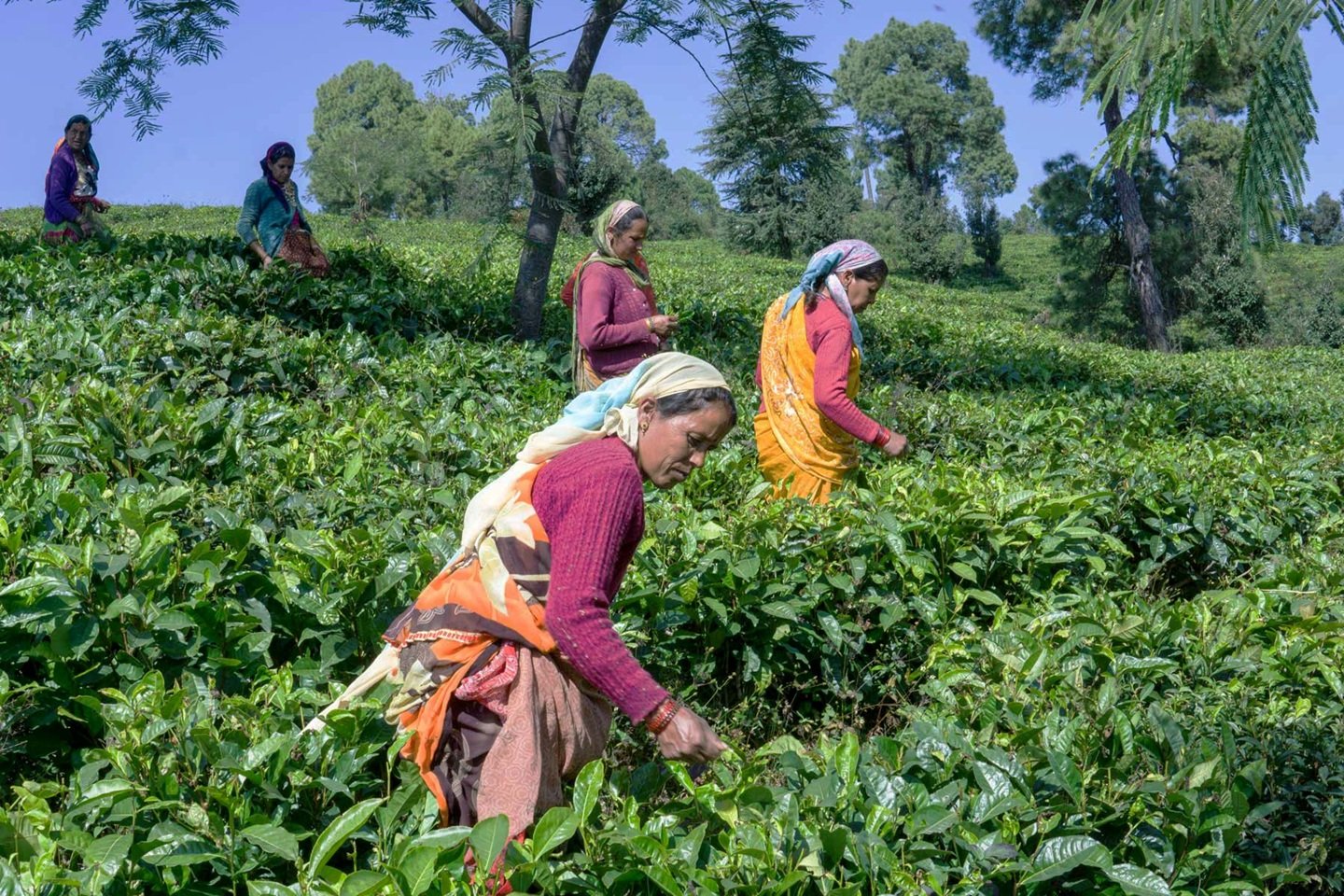
The Himalayas are known around the world for their dramatic mountain landscapes, rich cultural heritage, and remarkable natural diversity. Beyond their scenic beauty, the region is home to communities with distinctive food traditions, local ingredients, and generations of knowledge connected to mountain life.
For people living in urban areas, discovering products from these regions can offer a new way to connect with their origins, flavours, and traditions.
However, bringing a product from a mountain region to a city involves more than simply transporting it. Consumers also want to understand where a product comes from, what it contains, how it is processed, and how it reaches their homes.
At Myor Himalaya, our vision is to make authentic Himalayan products more accessible to urban households. We believe that better access to regional products, supported by clear information and thoughtful sourcing, can help more people discover the richness of the Himalayas.
In this article, we explore the journey of Himalayan products, the importance of understanding their origins, and what consumers can look for when choosing products inspired by the mountains.
The Rich Diversity of the Himalayan Region
The Himalayas span a vast geographical area with different climates, elevations, agricultural environments, and cultural traditions. These differences influence the ingredients people grow, the foods they prepare, and the products associated with individual communities.
Depending on the region, local products may include traditional food ingredients, herbs, spices, salts, grains, preserves, and other regional specialities.
Each product has its own story. Some are connected to a particular culinary tradition, while others reflect local growing conditions, preparation methods, or customary uses.
This diversity is one of the most interesting aspects of exploring Himalayan products. Rather than viewing the Himalayas as a single source of identical goods, consumers can appreciate the different regions and communities that contribute to its wider heritage.
Understanding this diversity also makes it important to look at the declared origin of each product rather than assuming that every item labelled Himalayan comes from the same place.
What Makes an Authentic Himalayan Product?
Authenticity is an important consideration when purchasing regional products. A product’s name, appearance, or packaging may suggest a connection to the mountains, but clear information about its origin is what helps consumers understand that connection.
When exploring Himalayan products, consider the following factors.
1. Clear Information About Product Origin
The origin of a product can tell you where its ingredients were sourced or where it was produced.
Reliable product descriptions should provide appropriate details about the source, manufacturer, or place of processing, depending on the type of product.
This information helps consumers understand what they are buying and make more informed comparisons between products.
2. Transparent Ingredients and Processing
Understanding a product’s ingredients is essential, particularly for food items and seasonings.
Look for clear ingredient lists, suitable storage instructions, and relevant manufacturing or processing details. If a product makes specific claims about being organic or sustainably sourced, check whether those claims are supported by relevant certification or other reliable information.
Transparent descriptions make it easier to select products according to your needs and preferences.
3. Respect for Regional Traditions
Regional products are often connected to the traditions and knowledge of the communities that produce or prepare them.
Learning about these traditions can help consumers appreciate the cultural context behind a product rather than viewing it simply as another item on a shelf.
It is also important for brands to describe regional traditions accurately and avoid making unsupported claims about the history or origin of a product.
Understanding the Journey from Mountain Regions to Urban Homes
The journey of a regional product can involve several stages, from sourcing ingredients to preparing, packaging, distributing, and delivering the finished item.
The exact process varies according to the product and the people involved in its production.
Step 1: Sourcing the Ingredients
The journey begins with identifying and sourcing the ingredients or materials required for a product.
Depending on the item, these may come from agricultural producers, regional suppliers, processors, or other appropriate sources.
Clear sourcing information helps businesses understand their supply chains and communicate product origins more accurately to customers.
Step 2: Preparation and Processing
Once sourced, ingredients may require cleaning, sorting, drying, grinding, blending, or other forms of processing.
The method depends on the type of product being prepared. For food products, suitable processing and hygiene practices are particularly important for maintaining quality and safety.
Accurate product information helps consumers understand the ingredients and preparation methods relevant to their purchase.
Step 3: Quality Checks and Packaging
Packaging plays an important role in protecting products during storage and transportation.
For food items, packaging should be appropriate for the product and provide relevant information such as ingredients, net quantity, dates, storage instructions, and applicable declarations.
Quality checks and suitable packaging help ensure that products are handled appropriately before they reach customers.
Step 4: Distribution and Delivery
Products intended for urban markets may pass through distributors, warehouses, retailers, or online fulfilment systems before reaching the customer.
Good handling, suitable storage, and reliable logistics help maintain product condition during this journey.
For online shoppers, clear delivery information and accessible customer support also contribute to a better purchasing experience.
Why Responsible Sourcing Matters
Responsible sourcing involves understanding where products come from and considering the practices used throughout their supply chains.
It can include factors such as supplier transparency, fair business relationships, appropriate resource use, and the environmental impact of production and distribution.
For regional products, responsible sourcing can also involve recognising the role of the people and communities connected to production.
Supporting Transparent Supply Chains
Transparency allows businesses and customers to better understand how products are sourced and handled.
When sourcing information is available, it becomes easier to assess product claims, identify the people or organisations involved, and make more informed purchasing decisions.
For brands, maintaining accurate records and communicating claims responsibly can help establish trust with customers.
Recognising the People Behind Products
Many products are connected to farmers, producers, craftspeople, processors, and other people whose work contributes to the finished item.
Learning about these contributions can help consumers appreciate the effort involved in bringing regional products to market.
Where a business makes claims about supporting local communities or producers, those claims should reflect its actual sourcing and commercial practices.
Considering Environmental Impact
Environmental responsibility can involve several factors, including how ingredients are grown or collected, how products are processed, and how they are packaged and transported.
No single label guarantees that a product has a lower overall environmental impact. It is more useful to examine the available evidence and consider the different stages of the supply chain.
For consumers, choosing products with clear sourcing information and appropriate packaging is one practical starting point.
How Online Shopping Connects the Himalayas with Urban India
In the past, discovering specialised regional products often depended on visiting local markets, travelling to particular destinations, or knowing someone familiar with the region.
Online shopping has changed this experience by making a wider variety of products available to consumers across cities and towns.
Greater Access to Regional Products
E-commerce allows consumers to explore products that may not be readily available in their neighbourhood stores.
From regional seasonings to traditional food ingredients, online platforms can introduce shoppers to new options and make product discovery more convenient.
Better Access to Product Information
A well-designed product page can provide details about ingredients, declared origin, packaging, usage, storage, and other relevant information.
This helps customers compare options and make decisions before placing an order.
Convenience for Modern Households
Urban consumers often look for ways to shop efficiently while balancing work, family, and other commitments.
Online ordering offers the convenience of browsing and purchasing products from home, while delivery services can help bring selected regional goods directly to the customer.
For brands working with Himalayan products, digital platforms offer an opportunity to connect regional offerings with customers who might otherwise have limited access to them.
How to Choose Himalayan Products Online
If you are exploring Himalayan products for the first time, a few simple checks can help you shop with greater confidence.
Read the product description. Understand what the product is, how it is intended to be used, and what makes it different from similar options.
Check the ingredient list. For food products, review all listed ingredients and any relevant allergen or dietary information.
Verify origin claims. Look for specific information about where the product or its ingredients come from.
Review certifications where relevant. If a product is described as organic or carries another regulated claim, look for the relevant certification or supporting details.
Check packaging and storage information. Ensure that the product suits your intended use and can be stored according to the instructions.
Choose transparent sellers. Clear policies, accurate descriptions, and accessible customer support make online shopping easier.
These steps are useful not only for Himalayan products but also for discovering regional goods from other parts of India.
Bringing Himalayan Products into Everyday Urban Life
Discovering products from the Himalayas does not require a complete change in your routine. You can begin with a single ingredient or seasoning and gradually explore other regional products.
For example, a mint-based seasoning such as Pudina Loon can be used to experiment with fresh salads, suitable snacks, and homemade drinks. Other regional ingredients may inspire new recipes or introduce you to different culinary traditions.
The most enjoyable approach is to explore at your own pace, understand each product, and choose items that fit your cooking habits and preferences.
Every new ingredient can become an opportunity to learn more about its origin, flavour, and place within a broader food culture.
Myor Himalaya: Connecting Mountain Origins with Modern Living
At Myor Himalaya, we want to make the discovery of authentic Himalayan products easier for people living in urban areas.
Our vision is built around connecting mountain-inspired products with modern homes, allowing more people to explore regional flavours and products without geographical barriers.
We recognise that consumers want convenient access as well as useful information about what they purchase. Clear product descriptions, an appreciation of regional origins, and responsible communication are important parts of building a meaningful relationship with customers.
As we bring Himalayan products closer to urban households, our aim is to help people discover the diversity and heritage associated with the region.
Whether you are exploring traditional seasonings, learning about regional ingredients, or looking for something new for your kitchen, Myor Himalaya aims to make that discovery more accessible.
Conclusion: Discover the Himalayas, Wherever You Live
The journey of a Himalayan product connects more than a place of origin with a final destination. It can also introduce consumers to regional ingredients, food traditions, production practices, and the people involved in bringing products to market.
Understanding these connections helps consumers make more informed choices and appreciate the diversity behind the products they use.
With the convenience of online shopping, exploring regional products has become easier for urban households across India.
At Myor Himalaya, our vision is to help bridge the distance between the mountains and modern living by making authentic Himalayan products accessible to more people.
Discover the products, explore their origins, and bring a little of the Himalayan experience into your everyday life.